
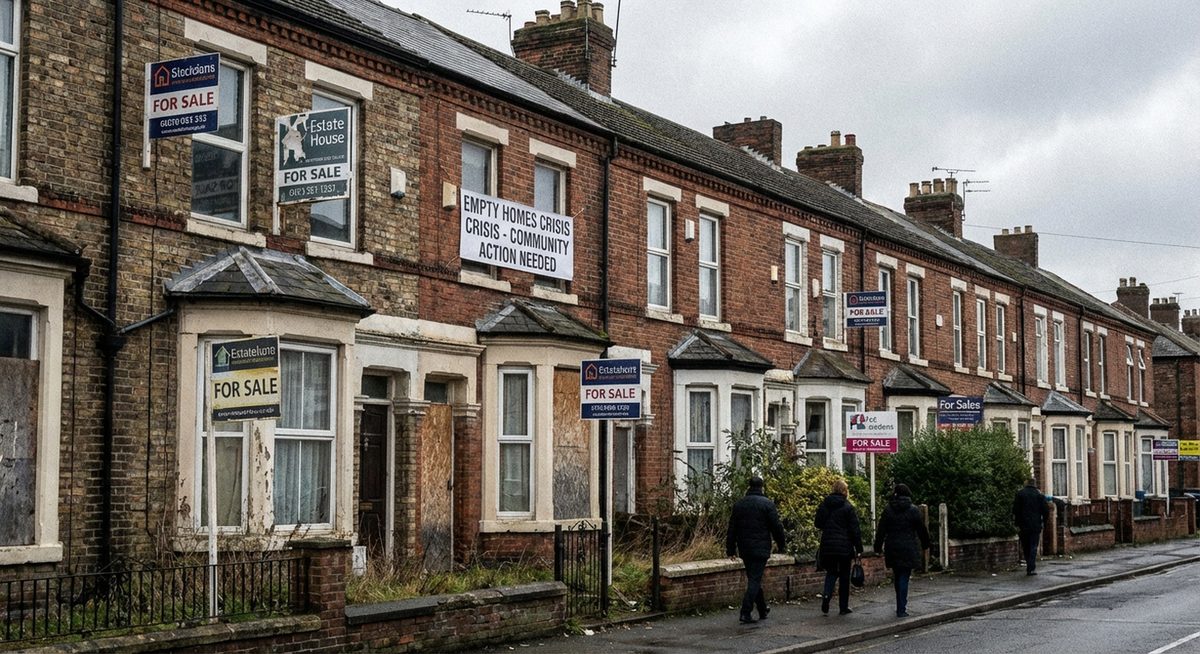
Local authorities have various powers to address empty properties. This guide explains the regulations affecting empty homes, council powers, and owner obligations.
The Empty Homes Problem
The UK has hundreds of thousands of empty homes while housing demand continues to grow. According to government statistics:
- Over 600,000 homes are empty in England
- Approximately 250,000 have been empty for over 6 months
- Some areas have particularly high concentrations
Council Tax on Empty Properties
Empty Homes Premium
Councils can charge additional council tax on long-term empty properties:
| Empty Period | Maximum Premium | Total Possible |
|---|---|---|
| 2-5 years | 100% | 200% of standard rate |
| 5-10 years | 200% | 300% of standard rate |
| 10+ years | 300% | 400% of standard rate |
Exemptions
Some empty properties are exempt from council tax:
- Properties undergoing major repair (up to 12 months)
- Probate properties (up to 6 months after grant)
- Properties of people in care homes
- Student properties
- Armed forces accommodation
Empty Dwelling Management Orders (EDMOs)
Councils can take over management of long-term empty properties through EDMOs:
Interim EDMO
- For properties empty 2+ years
- Lasts up to 12 months
- Requires tribunal approval
- Council takes control of property
Final EDMO
- Follows interim order
- Lasts up to 7 years
- Council can rent out the property
- Rent pays for management and repairs
When EDMOs Are Used
EDMOs are relatively rare. Councils typically try other approaches first:
- Contacting owners
- Offering advice and support
- Empty homes grants or loans
- Matchmaking with buyers/developers
Other Council Powers
Enforced Sale
Councils can force the sale of empty properties with unpaid debts (council tax, enforcement costs) through the Law of Property Act 1925.
Compulsory Purchase
In extreme cases, councils can compulsorily purchase empty properties for regeneration or housing purposes.
Section 215 Notices
Under the Town and Country Planning Act, councils can require owners to improve the condition of properties affecting local amenity.
Owner Obligations
Empty property owners must:
- Pay council tax (potentially with premium)
- Maintain the property in safe condition
- Prevent nuisance to neighbours
- Secure the property against unauthorized access
- Comply with any council notices
Alternatives to Empty Properties
Options for owners of empty buildings:
- Property guardianship - guardians protect the building
- Short-term letting
- Sale to housing associations
- Community land trusts
- Empty homes grants for renovation